Extended daylight and vibrant outdoor settings make summer one of the most dynamic seasons to shoot in. Whether it’s golden hour at the beach or the swift pace of outdoor sports, capturing photos this time of year is unlike any other. Yet sand, sun, and heat can really test both your technique and equipment.
But these elements don’t have to be the enemy. Here, we offer practical tips for navigating the visual extremes of summer, so your shots, snaps, and stills look exactly how you want them. Like a crystal clear swimming pool, let’s dive in.
How Summer Light Affects Photography
Summer sunlight has an elevated position during the day, producing high contrast and rich saturation. The challenge lies in overexposure and detail, which can cause blown-out photos that aren’t even able to be balanced in editing.
Midday light creates deeper shadows and intense highlights, complicating portrait and close-up shots. Hazy skies, humidity, and dust in the atmosphere can alter colour balance and clarity, especially in wide shots.
You can dodge these issues in a few different ways:
- Use exposure bracketing or neutral density filters for more control over extreme lighting conditions.
- These tools help preserve highlight and shadow detail, particularly in open landscapes or waterfront scenes.
- Activate your camera's highlight alert (“blinkies”) in particularly contrast-heavy environments to monitor areas at risk of overexposure in real-time.
- Leverage the sun's longer arc during golden hour, giving you more time to shoot in soft, directional light.
Capturing Golden Hour Shots
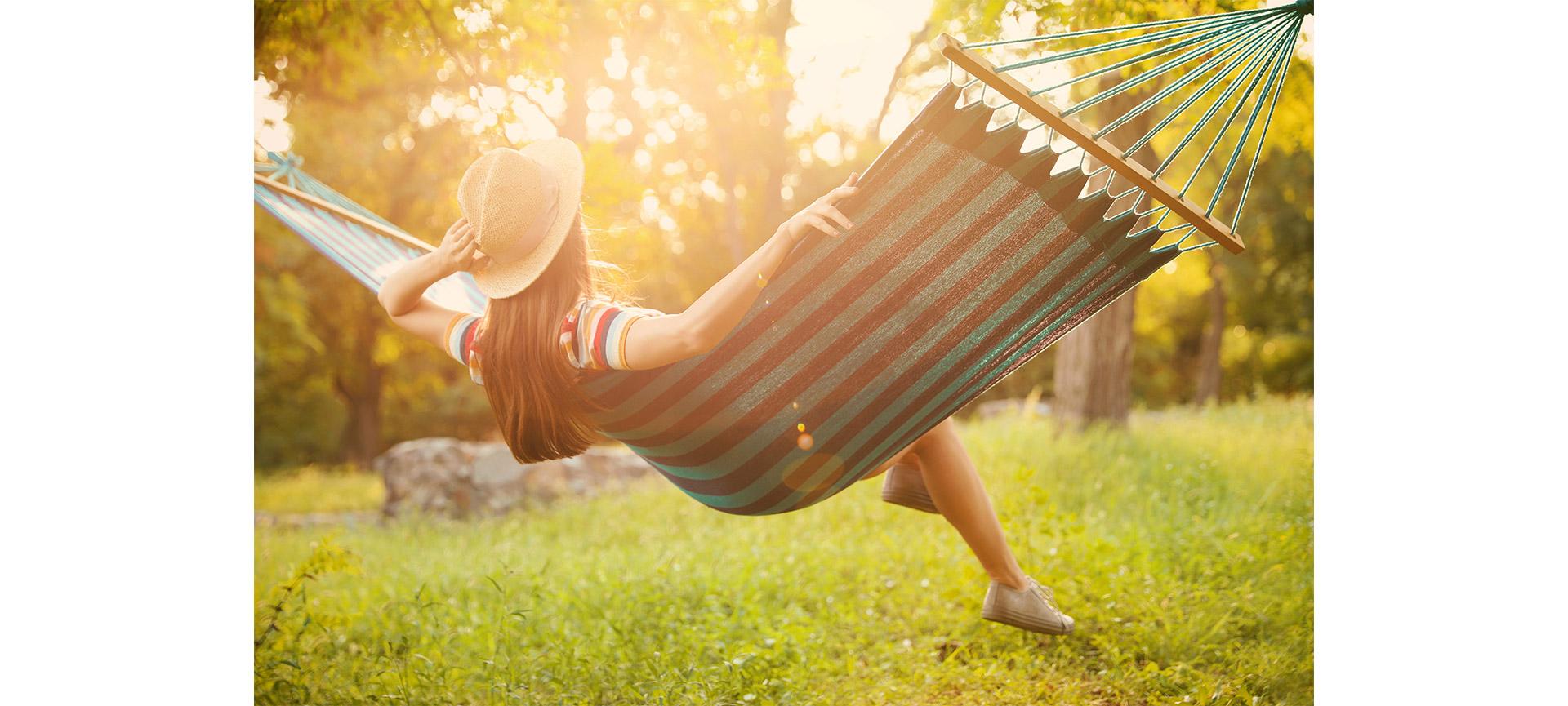
Golden hour is widely regarded as the optimal time for outdoor photography, offering warm tones and diffused light that flatter subject matter of all shapes and sizes.
- Adjust white balance to enhance the warm tones, particularly when shooting in RAW.
- Use natural backlighting to create halos or rim light around subjects.
- Meter for highlights to avoid overexposing the sky and maintain gradient detail.
- Know your location—apps can help track sun paths to plan shots in advance.
- A tripod can help stabilize longer exposures during lower-light conditions.
These techniques work well for both portrait and scenic compositions.
Additionally, shooting during the blue hour (just before sunrise or after sunset) can provide even softer light and a cooler mood, which works well for wide-angle landscapes and urban scenes.
Beach and Water Photography
Photographing near water, like pools, oceans, or lakes, introduces a unique reflective surface. While final shots can be stunning, you’ll need to account for unique exposure and colour challenges first. Consider these tips:
- Adjust exposure compensation to reduce brightness in high-contrast environments.
- Polarizing filters can improve colour saturation and reduce surface glare.
- Use spot metering to prioritize correct exposure for your subject in uneven lighting.
- Shoot in RAW to maximize flexibility for adjusting white balance and exposure in post.
- Compose with shadows, patterns, and leading lines to add visual structure.
When shooting portraits on the beach, consider using fill-flash or a reflector to manage contrast. These tools help reduce facial shadows created by overhead sunlight, resulting in more balanced and flattering images.
Action Photography
Capturing movement in bright conditions requires both technical precision and the use of specific camera settings. Whether you're photographing sports, wildlife, or candid moments, timing and exposure are key.
- Use fast shutter speeds (1/1000s or higher) to freeze motion and avoid blur.
- Engage burst mode to increase the likelihood of capturing peak action.
- Continuous autofocus (AI Servo) is essential for tracking unpredictable subjects.
- Use aperture settings to isolate subjects from complex backgrounds.
- Consider shooting at an angle to convey motion or direction more clearly.
To go further, explore custom function settings in your camera menu. These allow you to fine-tune autofocus tracking sensitivity and acceleration, which can be especially useful for fast-paced sports or wildlife subjects.
How to Protect Your Camera from Sand, Water, and Heat
Sand and moisture are a part of plenty of summer photoshoots. Whether it's a travel shot or beach pose, environmental conditions can damage equipment if not managed carefully. Here’s what we recommend:
- Invest in weather-sealed cameras and lenses to reduce exposure to fine particles.
- Use padded camera bags with breathable compartments to reduce heat buildup.
- Carry basic cleaning tools and sensor-safe wipes for on-location maintenance.
- Avoid prolonged sun exposure by storing gear in shaded or insulated containers.
- Inspect and clean equipment after each shoot to maintain long-term performance.
Protection ensures reliability and extends the life of your gear. Canon’s camera accessories and bags are purpose-built for travel and field use.
Consider using rain sleeves, even in dry climates, to keep out fine particles. Also, always bring extra batteries as heat can cause power to deplete more quickly, especially during continuous shooting.
Creative Extras to Enhance Summer Photography
Summer’s range of light and activity creates ample space for creativity. It’s a prime time to add new dimensions to your work, whether it's a new technique or tool.
- Use time-lapse to track changing light, crowds, or tides in high-traffic areas.
- External flashes or portable LEDs help compensate for harsh shadows or fill underexposed subjects.
- Reflections in sunglasses, water, or windows can introduce abstract or layered compositions.
- GPS-tagging tools or photo-mapping apps enhance travel storytelling and organization.
If you’re creating content for social media or personal projects, consider trying cinematic framing or colour grading techniques in post-processing to give your work a distinct summer aesthetic.
Recommended Gear for Summer Photography
Managing light, motion, and environmental variables comes with being a photographer. Summer introduces new considerations, yet the season also highlights the essential need for a quality camera and equipment.
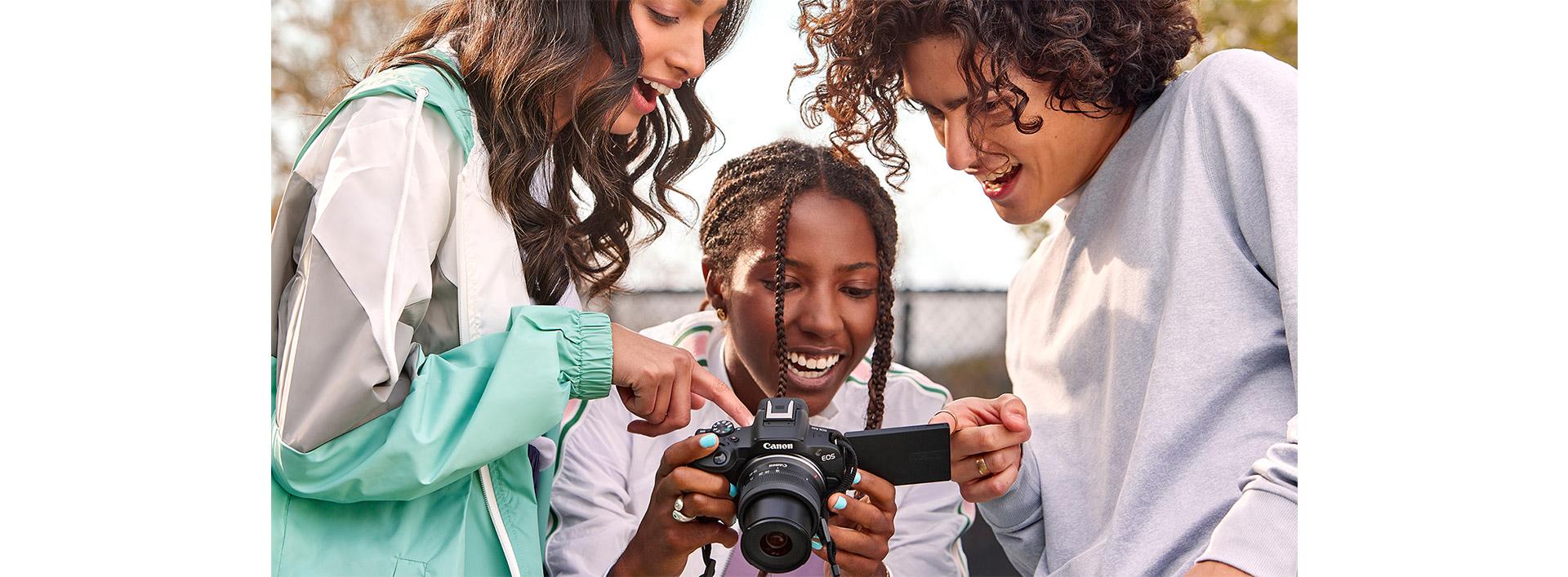
- A lightweight mirrorless camera like the EOS R50 is ideal for travel and day trips.
- Wide-angle zoom lenses (e.g., 15-35mm) are useful for landscapes and group shots.
- Prime lenses with large apertures (f/1.8 or faster) perform well in low light and golden hour.
- Tripods with quick-release plates and sand spikes provide stability on uneven terrain.
- Protective filters (UV or clear) safeguard lens elements from sand and moisture.
Bringing It All Into Focus
Shooting in the summer takes a bit of prep, a dash of know-how, and the right gear in your bag. You’ll be dealing with everything from unpredictable lighting to keeping your camera safe from heat and dust—but that’s all part of the fun. Each challenge is a chance to push your creativity and capture something new.
If summer has sparked your love for photography, Canon IGNITE is your next step. This free, self-paced virtual mentorship connects you with 16+ Canon Ambassadors and a community of creators across Canada. Whether you're just starting out or switching from smartphone to camera, IGNITE helps you grow your skills and creative confidence on your terms.