The Future of IT Helpdesks: AI Chatbots vs. Human Support
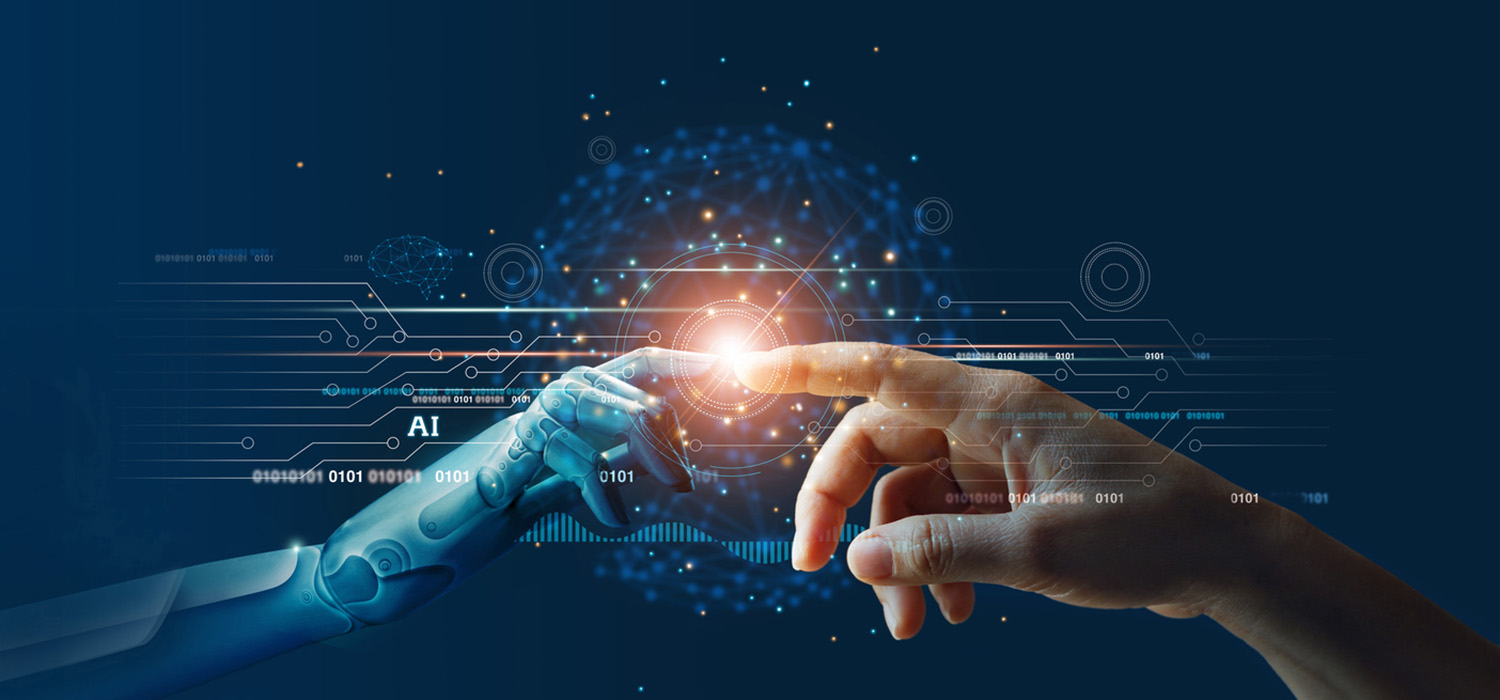
For growing Canadian businesses, the IT helpdesk has long been the frontline for keeping systems running and employees productive. But today, a quiet revolution is underway, powered by artificial intelligence.
AI chatbots are no longer limited to answering FAQs on websites. They’ve become an integral part of modern IT support, capable of triaging requests, walking users through fixes, and even flagging security risks. This rise of AI-powered automation has opened the door to faster, leaner support operations.
But with this transformation comes a key question for small and medium-sized businesses: Should you rely on AI chatbots to support your people, or is there still a critical role for human helpdesk agents?
The Advantages of AI Chatbots in IT Support
24/7 Availability and Instant Responses
One of the most immediate benefits of AI chatbots is availability. Unlike human agents, bots don’t clock out at 5 p.m. or take vacation days. That makes them especially valuable for businesses with:
- Remote or hybrid teams in different time zones
- Lean internal IT departments
- High volumes of repetitive requests (e.g. password resets, printer issues)
With a chatbot on the front line, users get instant responses to common queries without waiting in a queue, reducing downtime and frustration.
Cost Savings and Scalability for Businesses
For many SMBs, scaling IT support as the business grows can be cost-prohibitive. Hiring, training, and retaining skilled support staff takes time and budget. Chatbots offer an appealing alternative:
- They can handle multiple users simultaneously, eliminating bottlenecks
- They reduce the need to expand headcount during peak periods
- They offer predictable costs through software licensing or managed service agreements
A Canadian retail company, for example, could integrate a chatbot into its helpdesk to manage seasonal hiring surges. This would cut support wait times in half without increasing staff.
Automated Troubleshooting and Knowledge Base Access
Modern AI chatbots do more than answer simple questions. Many can:
- Guide users through interactive troubleshooting flows
- Search company knowledge bases and deliver targeted articles
- Escalate issues to human agents with context included
In doing so, they help reduce the burden on IT staff by resolving lower-tier requests independently so that humans can focus on more complex or high-priority tasks.
The Limitations of AI Chatbots
Handling Complex IT Issues That Require Human Expertise
Despite impressive advancements, AI still struggles with nuanced problems that require critical thinking, deep diagnostics, or cross-system coordination.
Chatbots are typically designed around known patterns and structured workflows. If a user’s problem doesn’t fit the template or involves multiple systems interacting in unpredictable ways, AI is likely to fall short.
The Challenge of Personalized Customer Support
AI is fast, but it’s not always empathetic.
Users facing tech frustrations often need more than a solution. They need reassurance, patience, and the ability to ask clarifying questions in real time. While chatbots are improving at mimicking conversational tone, they lack true emotional intelligence.
This becomes particularly important when:
- Employees are dealing with repeated system failures
- The issue affects productivity or revenue
- The user is non-technical and requires more explanation
In these moments, human support makes a measurable difference in problem resolution, employee experience, and trust.
When Human IT Support is Necessary
Resolving High-Level Security and Compliance Issues
Cybersecurity and regulatory compliance are high-stakes areas for any business, especially in sectors such as legal, finance, healthcare, and education. These issues often require both urgency and discretion.
Human IT professionals are better equipped to:
- Detect subtle signs of phishing or insider threats
- Interpret and act on complex security alerts
- Navigate the grey areas of data governance and compliance
AI tools can assist by monitoring logs or flagging suspicious behaviour, but judgment calls, legal implications, and coordinated response plans demand human oversight.
Providing Emotional Intelligence and Empathy in IT Support
In moments of stress, users want to feel heard.
Whether it’s a hardware failure before a big presentation or a system outage impacting customers, these moments call for empathy. Skilled human agents know how to:
- Defuse frustration
- Read between the lines of a user’s concern
- Offer reassurance alongside technical advice
This human touch plays a significant role in building long-term trust between IT and the broader business, especially in smaller companies where relationships matter.
AI Chatbots in Canadian SMBs: Adoption Trends and Caution Areas
Canadian businesses are steadily embracing AI-driven tools to modernize their IT operations. From helpdesk automation to smart routing of support tickets, AI chatbots are emerging as an accessible entry point for digital transformation.
According to Statistics Canada, 12.2% of businesses report using AI in the past 12 months, highlighting a desire for operational efficiency across industries. Many start by deploying chatbots within existing platforms like Microsoft Teams, Freshdesk, or Zoho Desk; tools that offer AI-powered support modules as part of broader IT management suites.
That said, early adopters are learning that chatbots aren’t “set-and-forget” tools. For AI to deliver real value, it needs high-quality training data, regular supervision, and integration into a broader IT support process. SMBs that rush implementation often encounter frustrations such as:
- Bots delivering irrelevant knowledge base articles
- Poor recognition of non-standard phrasing in employee queries
- Failure to escalate critical tickets appropriately
There are also uniquely Canadian considerations. PIPEDA compliance and data residency laws can affect which AI vendors are viable, particularly when chatbot interactions involve user data or sensitive internal information.
For Canadian SMBs, the takeaway is clear: AI chatbots offer compelling efficiency gains, but without careful planning, testing, and oversight, they risk becoming another point of friction rather than a solution
The Future of IT Helpdesks: Hybrid AI and Human Models
Rather than replacing human support, the most effective model for SMBs is hybrid: using AI to augment helpdesk operations while keeping skilled staff in the loop.
This approach typically looks like:
- Tiered support Chatbots handle level 1 tickets (common issues), while level 2–3 are escalated to human agents
- AI triage: Bots collect context and diagnostic data to help human agents resolve issues faster
- Continuous learning: Chatbot interactions feed into a knowledge base, improving both AI accuracy and team training
- User choice: Employees can opt to speak with a human if the AI response doesn’t meet their needs
Hybrid models also align well with managed IT services, where external providers can offer chatbot tools alongside live support, creating a seamless experience for businesses without needing in-house teams.
Final Word
AI chatbots have become a proven way for Canadian businesses to enhance IT efficiency, reduce costs, and scale smarter. But they’re not a standalone solution.
The future of IT helpdesks is not AI versus human. It’s AI and human. Each brings unique strengths that, when combined, deliver faster, more resilient, and more empathetic support.
As your business grows and evolves, consider how a hybrid helpdesk model can:
- Improve user experience without increasing overhead
- Reduce response times while maintaining personalized service
- Strengthen your IT team’s ability to focus on higher-value tasks
Ultimately, the right approach balances intelligence with intuition and positions your helpdesk as a true enabler of productivity, trust, and digital success. If this is a balance you’re struggling to strike, let Canon Canada help. Our managed IT services provide key support for adopting new technologies and offer insights into the best ways to integrate an AI chatbot into your operations. Connect with us today to learn how.