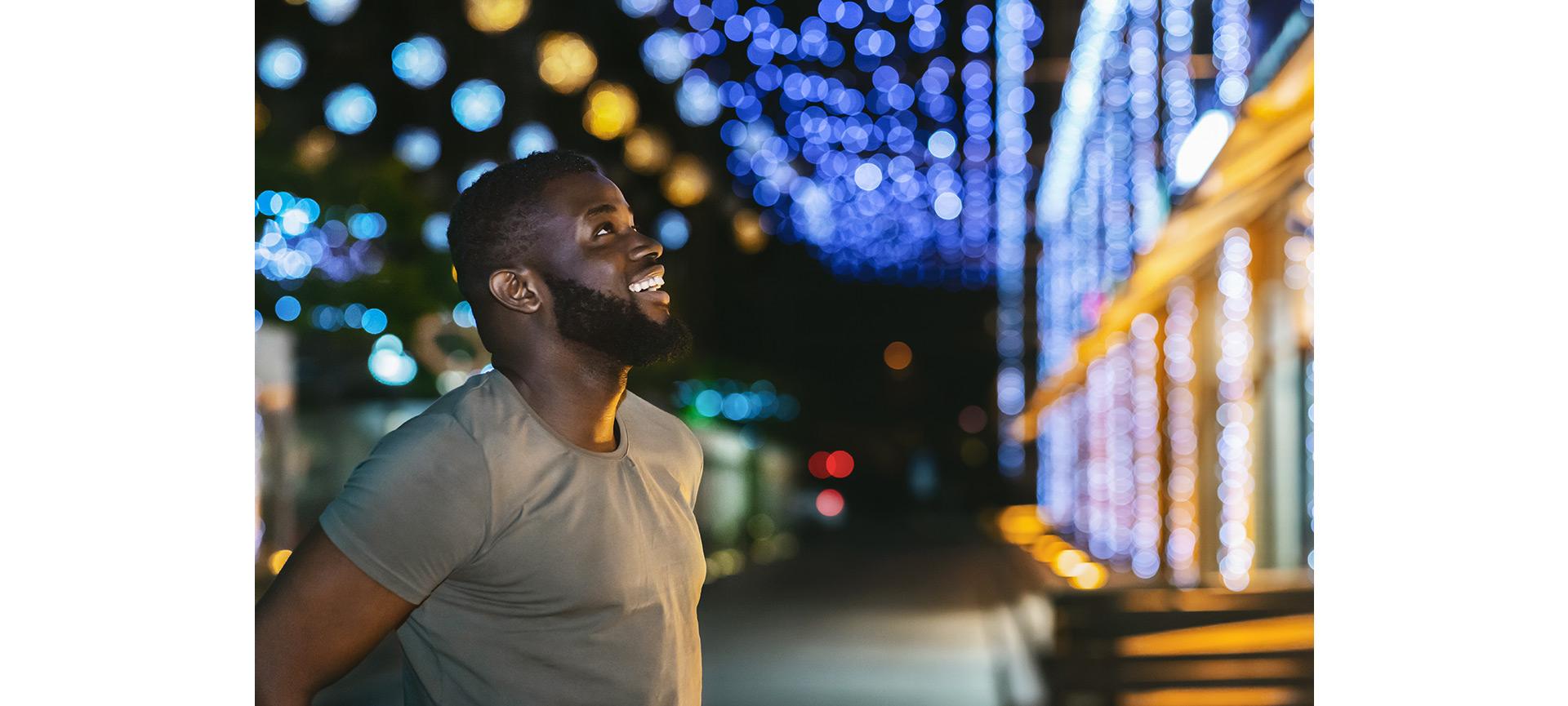
The Science Behind Bokeh
The first step to achieving beautiful bokeh is choosing the right settings. Aperture, focal length and shutter speed – as well as lens choice – all contribute to creating blurry areas that look soft and smoothly merge into one another.
Aperture and Depth of Field
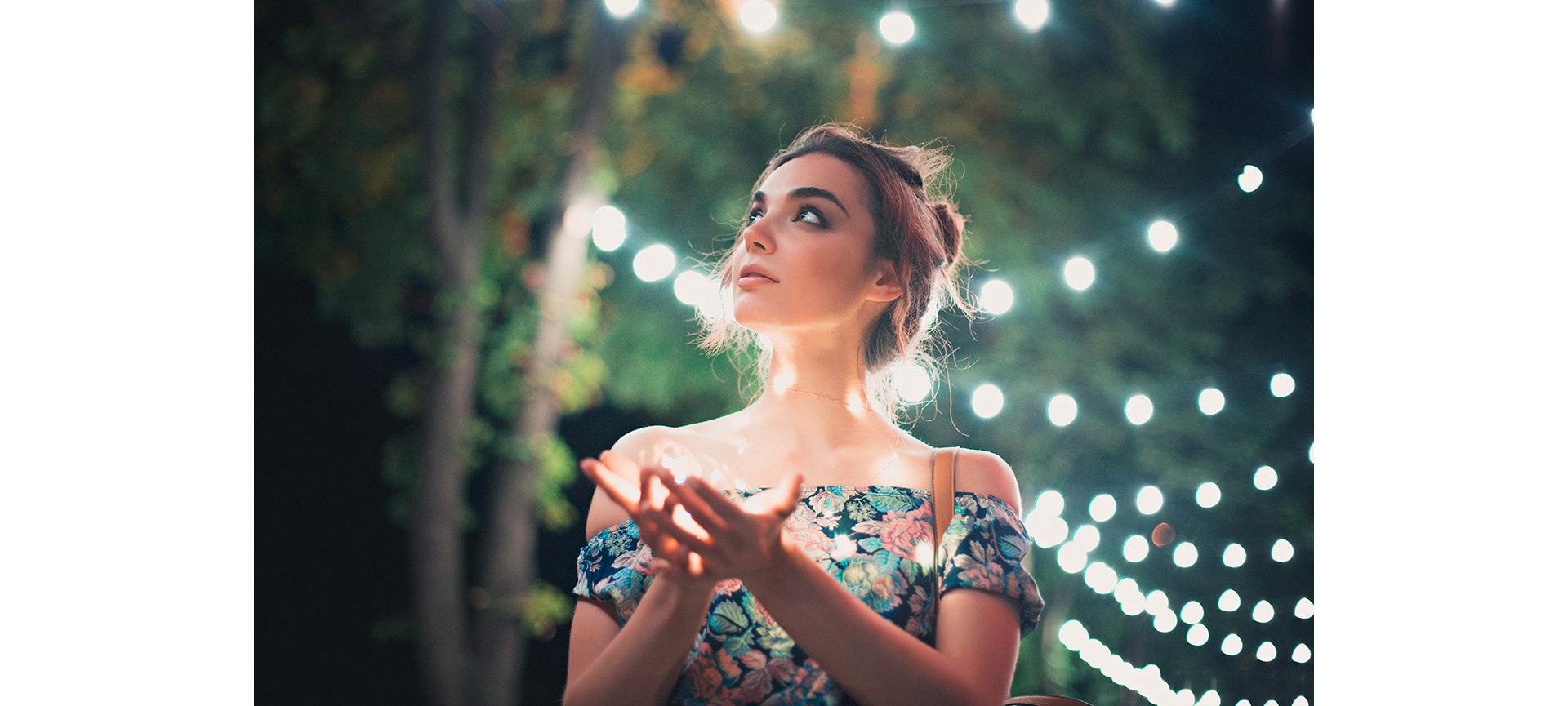
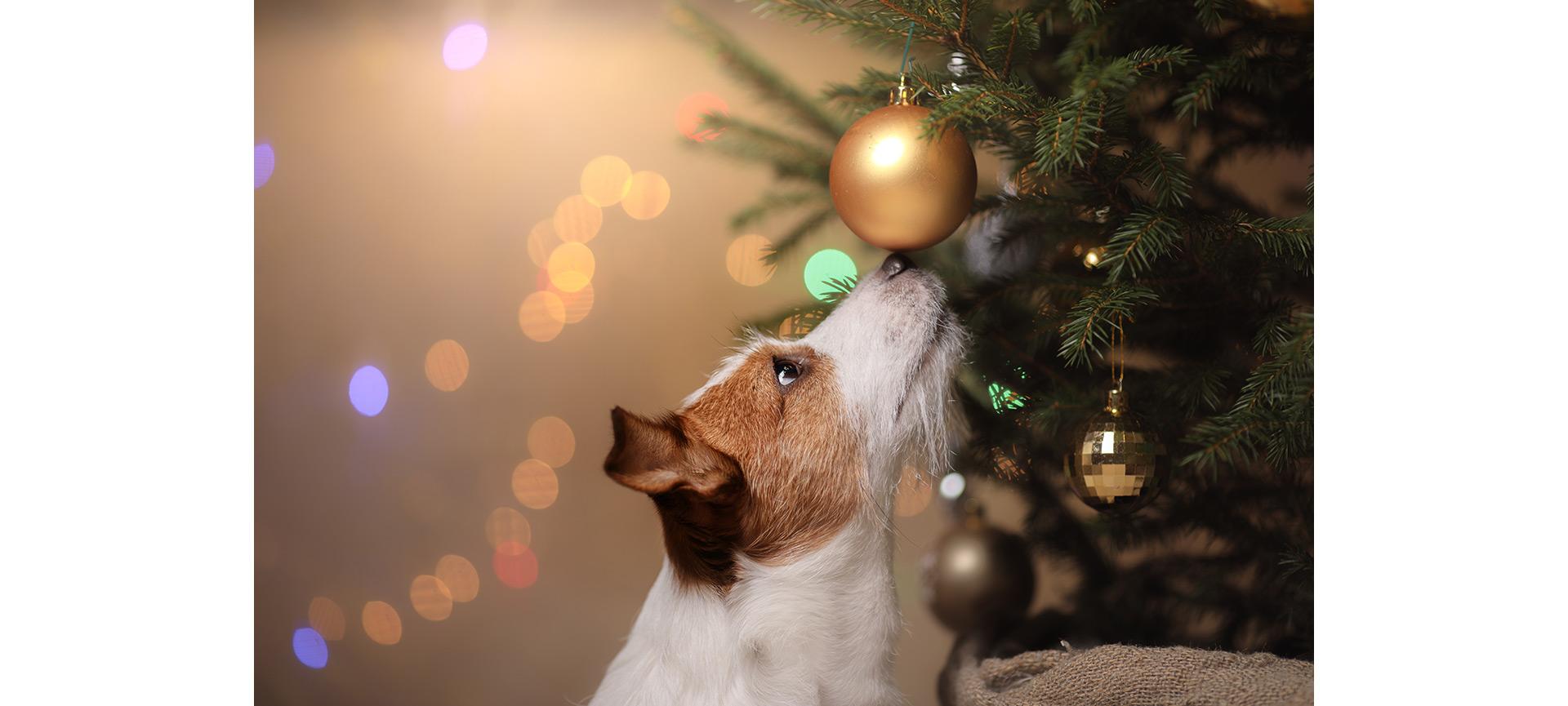
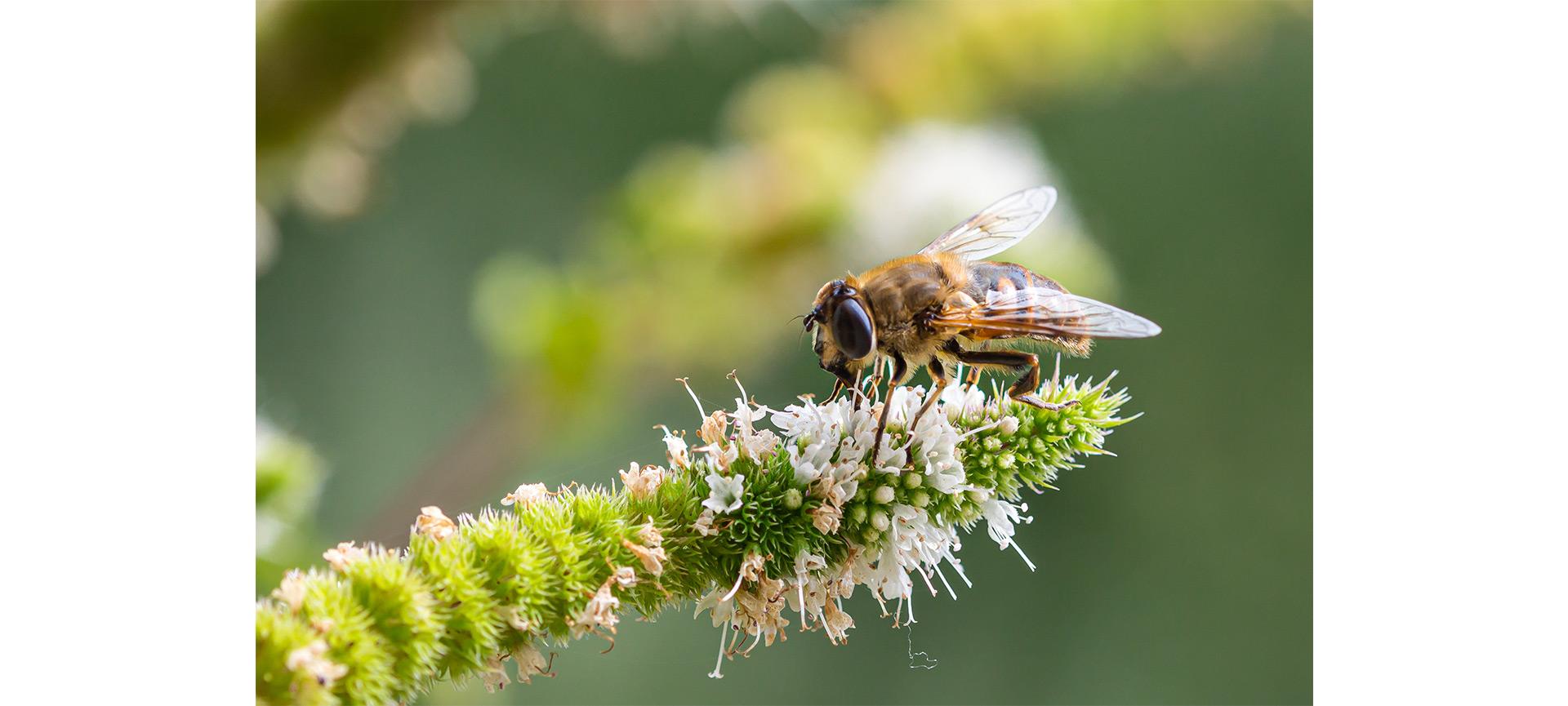
Start by setting your aperture to the lowest f-number the lens will go. The wider the aperture, the more shallow the depth of field, the more separation between subject and background. Using a larger aperture (f/1.2, f/1.4, f/2) creates more intense bokeh and really spotlights a subject in a beautiful way.
Shooting wide open also eliminates decisions about shutter speed. With the lens letting in so much light, the shutter speed will automatically be high. “My only tip with shutter speed, especially for portraits, is to never go below 1/250,” says Rudnyk. “If you go lower than that, you risk getting blurry images.”
Lens and Focal Length
Two more things to consider are lens choice and focal length. Prime lenses create more of a creamy, blurry background – meaning, more bokeh. “What actually affects the look of the bokeh is the diameter of the lens itself,” says Rudnyk. “The bigger the diameter of the lens, the bigger the bokeh is going to look. The smaller the lens – the diameter specifically – then the bokeh is going to be smaller. Most zoom lenses have a smaller diameter, so the bokeh balls are going to be a lot smaller and more scattered. The big diameter lenses will produce bigger bokeh balls, which are more pleasing to the eye, in my opinion.”
Rudnyk also recommends looking at vintage lenses. “Most modern lenses got rid of the imperfections, but the imperfections are what render light in interesting ways,” she says. Modern lenses tend to make bokeh completely round. Vintage lenses may skew the bokeh in different ways, making it more oval or bending it at the edges. “Technically, it’s incorrect, but I personally think it has a lot of character and can be very beautiful and interesting to look at. With adapters, you can put then on your mirrorless cameras and create some really cool stuff.”
As for focal length, Rudnyk suggests sticking with the basic 35mm, 50mm and 85mm type range. “This is purely personal,” she says. “I don’t like to go more than 85mm, just for the look. But lenses that are longer – 100mm, 135mm – will give you even better bokeh. The longer the lens, the better the bokeh is going to be.”