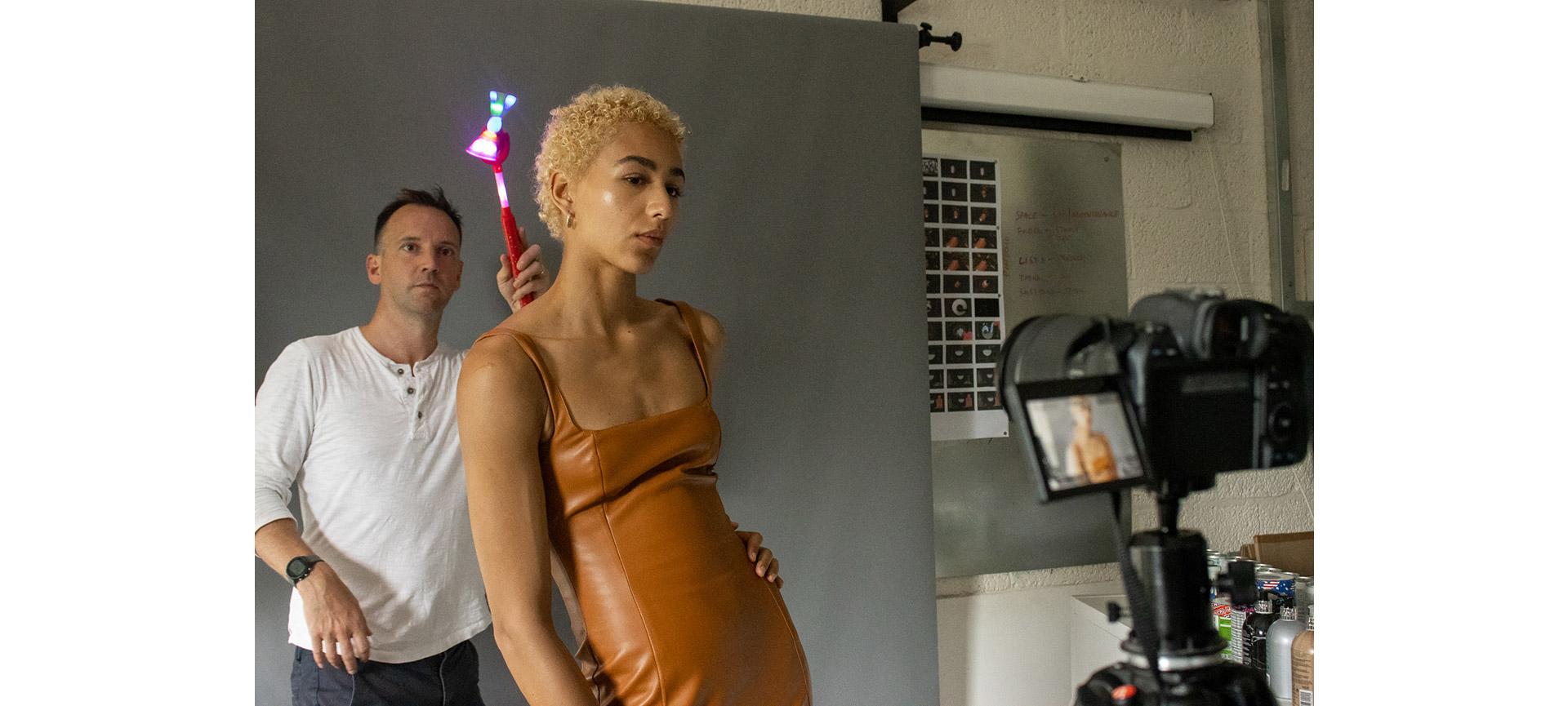
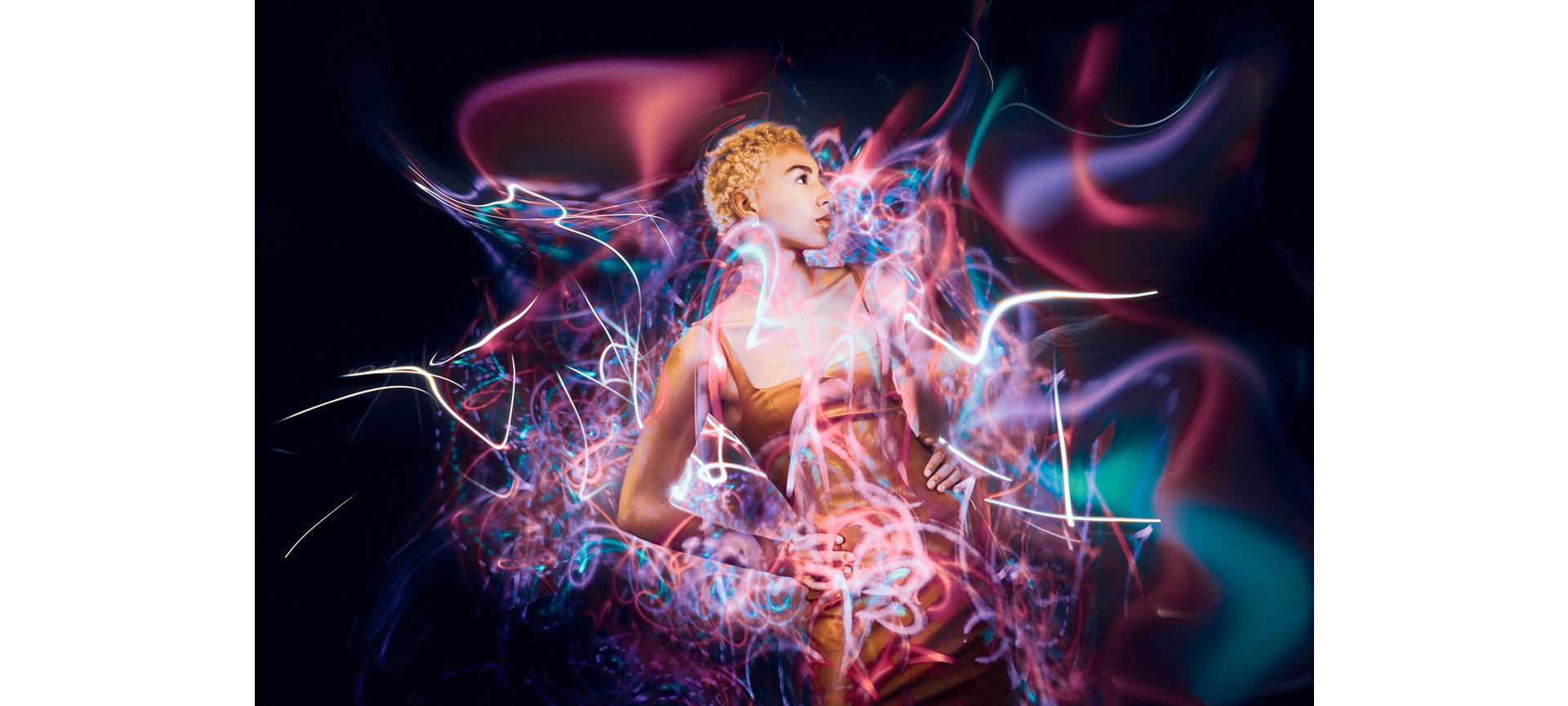
Light is the most essential component of photography, but the fun doesn’t have to stop when the sun goes down. Using a torch or other light source, you can go out after dark and paint your own pictures by moving lights around to create any shapes that take your fancy. You can’t see these shapes in real time but by using a long exposure, you can record them in your camera to create unique images. The technique is often referred to as ‘light painting’ or ‘painting with light’.
What is light painting?
There’s magic in movement. You may have seen photographs that feature light trails. These are usually based on night-time traffic with cars and other vehicles leaving red and white trails of light flowing through an image as they drive along roads. Light painting uses the same idea but takes it to a more creative level, putting you in the driving seat.
As with light trails, you’ll need to use a long exposure that gives enough time to capture all the movement of the light source. The movement itself can be anything you want it to be, using white or coloured lights to paint your picture.
What do you need for successful light painting?
Although light painting is predominantly about movement, you’ll usually want a dimly lit backdrop to look sharp if featured in an image. Therefore, you’ll need to mount your camera on a tripod or other stable platform. If your lens features optical Image Stabilisation (IS), it’s generally best to switch this off for long exposures. The latest cameras can detect when a camera has been positioned on a tripod and will switch off the IS for you.
Like any photographic technique, light painting can require some practice. It’s helpful to plan prospective shots before sundown, so you can see which compositions will work best. When it gets dark, put your camera on a tripod and switch to Live View mode so that you can preview the shot on the rear LCD screen.
Different environments can give an alternative look and feel to light paintings. If you use a relatively short exposure time of around 10 seconds with a dark background, it’ll tend to stay dark in the final image, giving all the attention to the shapes you create with your lamp. A longer exposure with a night-time cityscape or other illuminated backdrops can add context to the composition and give a sense of place and space.
It’s good practice not to touch your camera when taking long exposures – even if it’s mounted on a tripod – to avoid blurriness in the image caused by vibrations.